
Marrakech Travel Tips: Money, Taxis, Prices & Common Scams


Practical & honest advice from locals who know Marrakech inside out
The first thing most visitors notice in Marrakech is how quickly everything changes. One street feels calm, the next is alive with scooters, spice stalls and tourists browsing the bustling shopping streets. Five times a day, you'll hear the call to prayer echo across the city, creating a truly unique atmosphere. Understanding a few local habits before you arrive makes the whole experience far more enjoyable.
Marrakech reveals itself quickly, but it takes a little time to truly understand it. Between the Moroccan dirham, which is rarely available outside Morocco, prices that can triple depending on whether you're in the medina or in Guéliz, and a few local customs that surprise first-time visitors, a little preparation goes a long way. Here's what we always tell our travelers before they arrive.
Money: what to know before you land
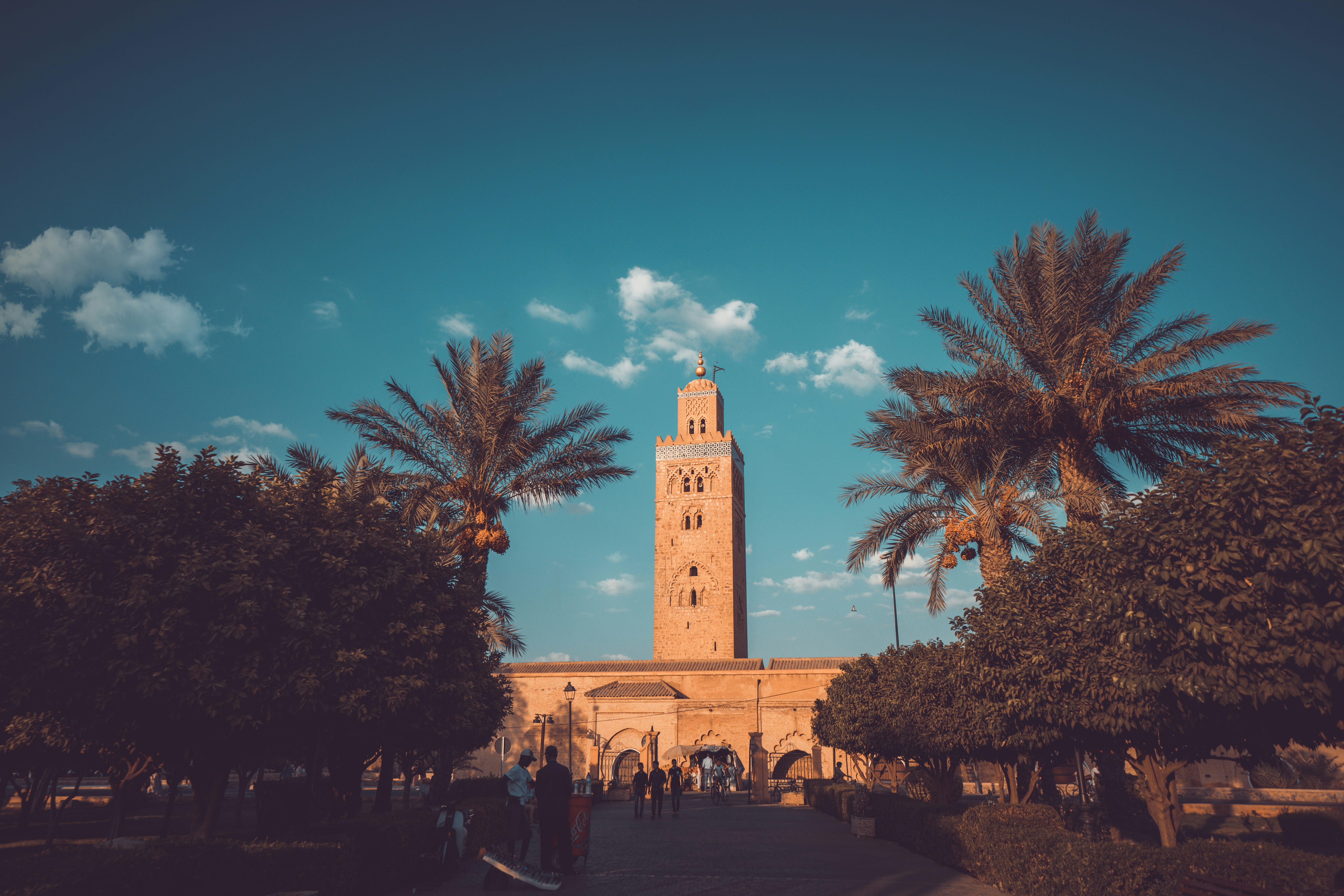
If possible, bring cash from home and exchange it once you arrive in Marrakech: this avoids the fees banks charge on foreign currency withdrawals. Change La Place, on Jemaa el-Fna Square, right next to Café Argana and Change - Chez Ali often offers one of the best exchange rates in the medina. In Guéliz, Exchange NB Prestige, on Boulevard Mohamed V and Hotel Farouk on Avenue Hassan II often offers better rates too. Beyond that, ATMs are widely available across the city and credit cards are accepted in most restaurants, hotels, and larger shops. Still, keep some cash on you: tips, petit taxis (small taxis), souks, and some shops don't take cards.
What to expect on pricing
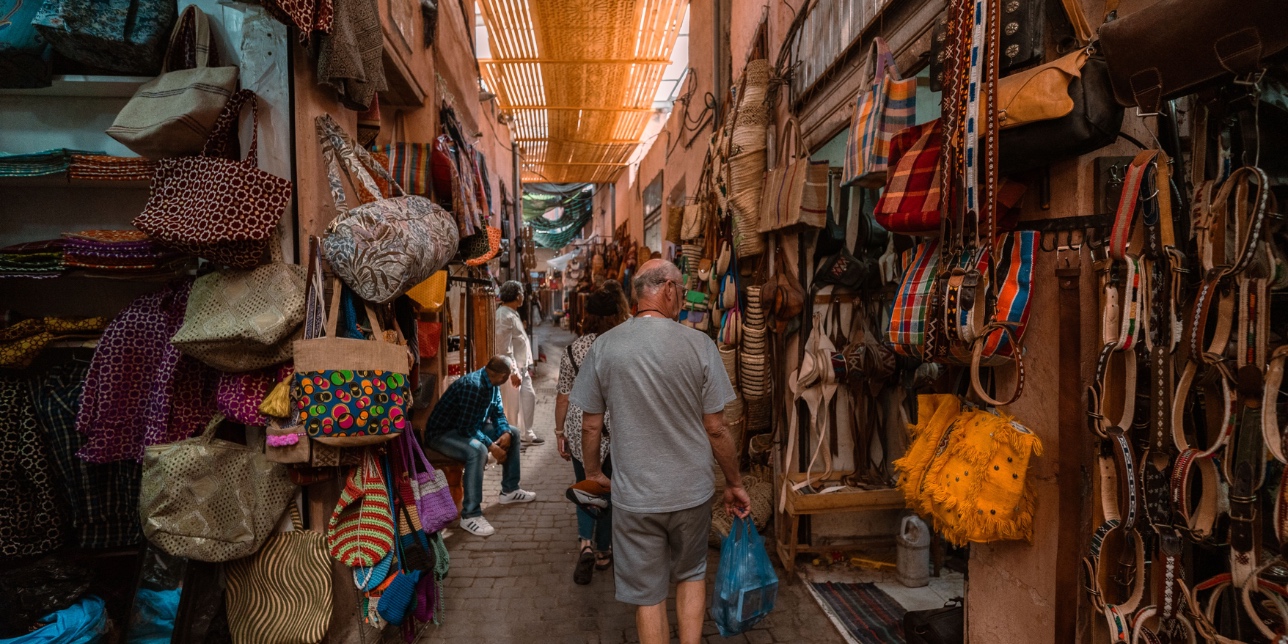
In the souks, it's best not to push negotiations too hard: it's a game, not a power struggle. Feel free to ask several different vendors for the price of the same item — you'll often find the same products from stall to stall, which gives you a fairly accurate sense of the real value. As a rule of thumb, the quoted price can often be halved, sometimes even lower if you're a good negotiator and/or speak Arabic.
This is exactly why we offer guided medina tours: beyond the fascinating history of its alleyways, they also help you avoid inflated prices and lower-quality goods sometimes reserved for unaccompanied visitors.
Getting around: taxis, apps, and private drivers
For petit taxis (small taxis), insist on the meter or agree on the price before getting in, never after. You may hear about apps like InDrive, widely used by locals and many travelers in Marrakech. Keep in mind they are not officially authorized in Morocco and operate in a legal grey area, even though they are widely tolerated. They can be useful as a rough guide to a fair price for a given route.
For longer trips, many private drivers are available at very good rates. This is actually something we can help with: we work with trusted transport partners and can book directly for you.
The most common scams (and how to avoid them)
On Jemaa el-Fna square, someone may offer to let you "take a photo" with a snake or a monkey: the request for money that follows is systematic and often disproportionate — it's best to politely decline from the start. Beyond the unexpected charges, these animals are often kept in poor welfare conditions, which is another reason many visitors choose not to support the practice. Never follow a guide who doesn't show an official card issued by the Marrakech tourism office. Another classic: a passerby claims a site is "closed today" to redirect you to a shop or a fake guide — always check for yourself. Also be wary of overly insistent henna sellers on the street, who apply the design before negotiating the price — agree on the price before any contact.
This is exactly the kind of detail we take off our travelers' hands at YallaKech: the excursions and experiences we select are already negotiated, tested, and fairly priced. But for your free time exploring the medina on your own, these few reflexes are enough to enjoy Marrakech without any bad surprises.
Street food: what's safe
Street food has improved considerably over the last decade. Fresh fruit juices pressed on Jemaa el-Fna square, depending on the season, are generally safe. If you want peace of mind, feel free to ask to step behind the stall to watch the fruit being pressed. Avoid tap water and stick to bottled water, which is available everywhere. If you have a sensitive stomach, it's still best to favor restaurants.
A good tip if you have a car
If you have a car, you'll find much better prices than in the medina just outside the city, on the road to Essaouira or the road to Ourika (our favorite): rugs, pottery, home decor, furniture, and even plant nurseries sell there at noticeably better prices.
A few local customs worth knowing
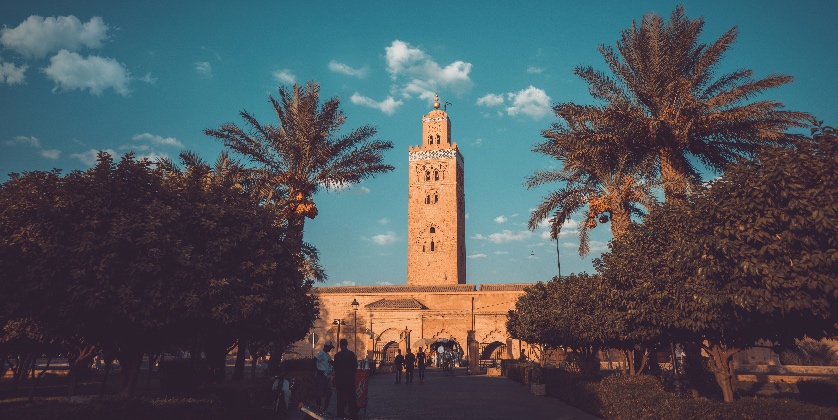
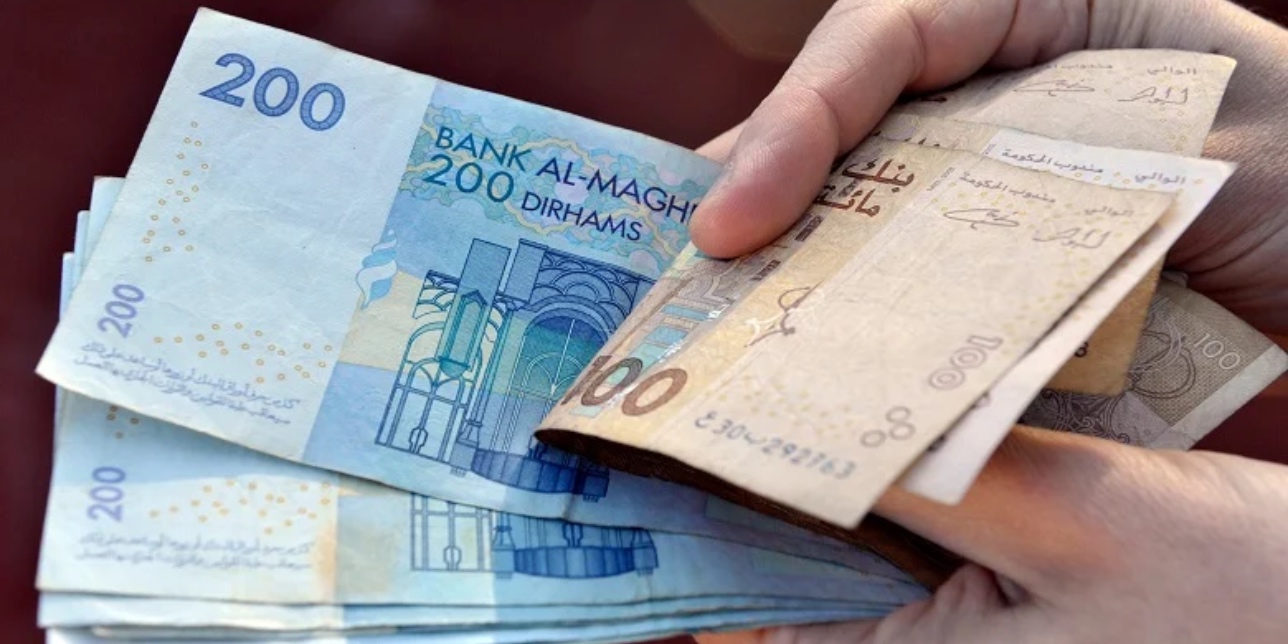
Mosques are reserved for Muslims and cannot be visited inside — you can still admire them from the outside, often beautifully. As for dress, there's no need to be covered head to toe: Marrakech is a touristy city and you can dress normally. Modest attire (shoulders and knees covered) is simply appreciated in certain places. Finally, on Friday around lunchtime, sometimes all afternoon, many shops may be closed for Friday prayers, as is often the case during the month of Ramadan, when the general atmosphere is much quieter.
A few handy Darija words to know: Salam (hello), Bslama (goodbye), Afak (please), Shukran (thank you), An-dak, an-dak! (watch out, watch out — often shouted by passing carts and mopeds in the souks), Shhal (how much), Wakha (ok, sounds good), La (no)... and, fittingly, Yalla (let's go, come on) — the word behind our name.
Related Blogs